
Progress in Heart Failure Has Stalled
Significant advances in medical technologies coupled with a better understanding of lifestyle health factors have led to improvements in life expectancy since the 1960s. Much of this can be attributed to reduced mortality from heart disease.
In the last couple decades this progress has leveled off and the latest data show troubling signs of a reversal of these historic gains. Furthermore, not only has progress stalled but disparities between both races and sexes may be widening in recent years.
Age-Adjusted Mortality Rates from Heart Failure (per 100,000 population)
Heart Failure Diagnosis Associated with Increased Disability, Widening Health Disparities
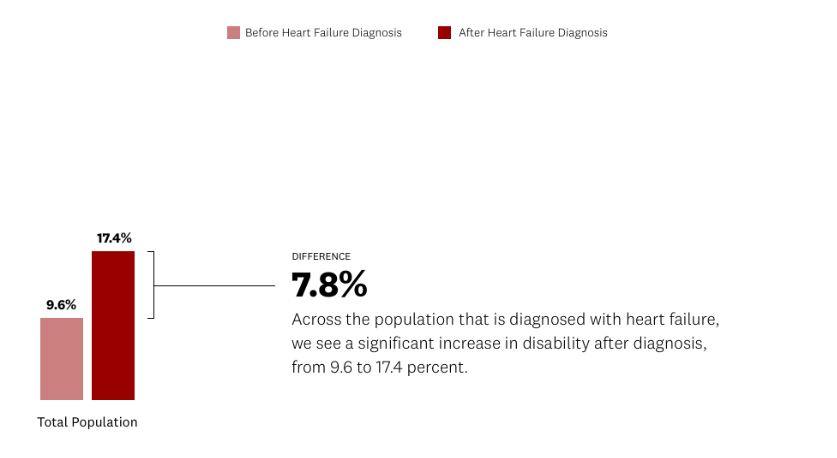
Patients with heart failure live with substantial disabilities that interfere with their daily lives. These disabilities include a patient being unable to dress, feed, use the restroom, or manage personal hygiene and grooming without assistance. Using sophisticated modeling, USC Schaeffer Center researchers analyzed levels of disability in patients before they were diagnosed with heart failure. They then compared those benchmarks to the same measures taken after the heart failure diagnosis.
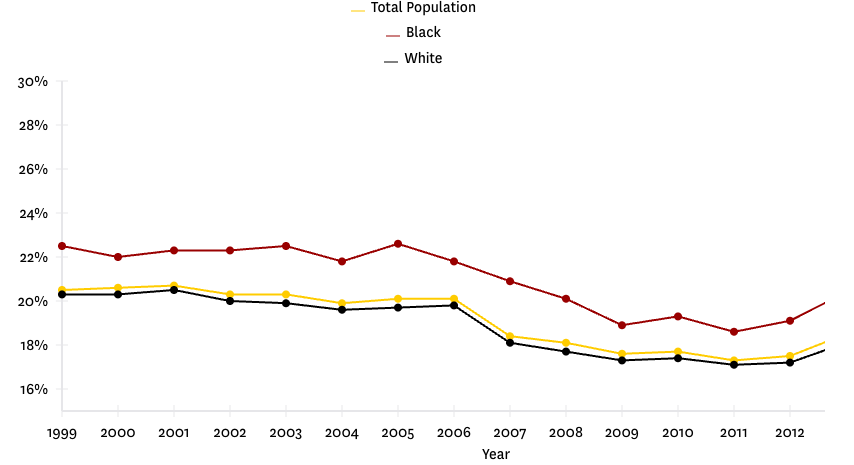
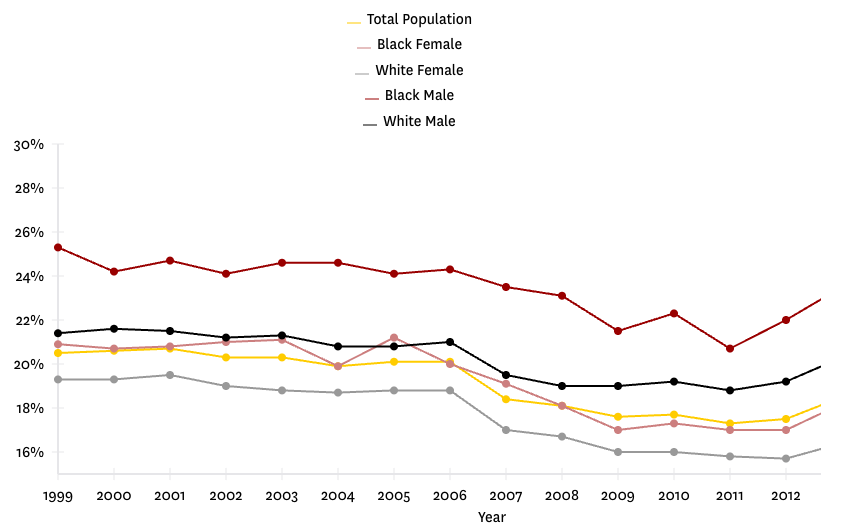
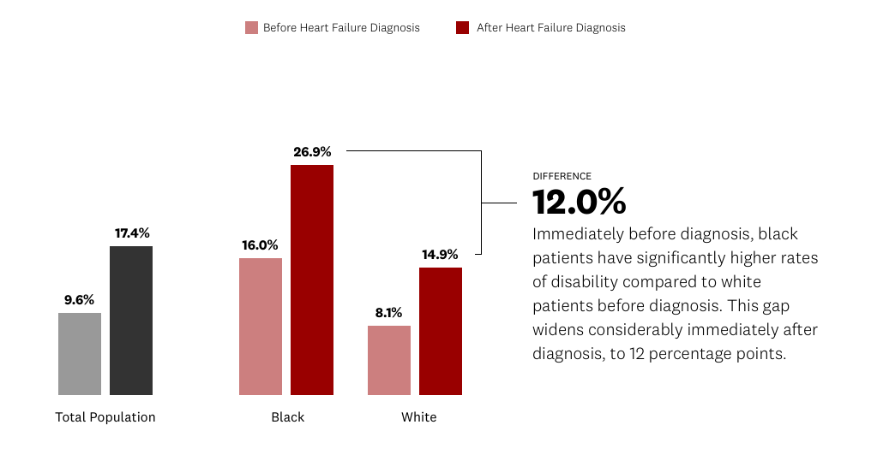
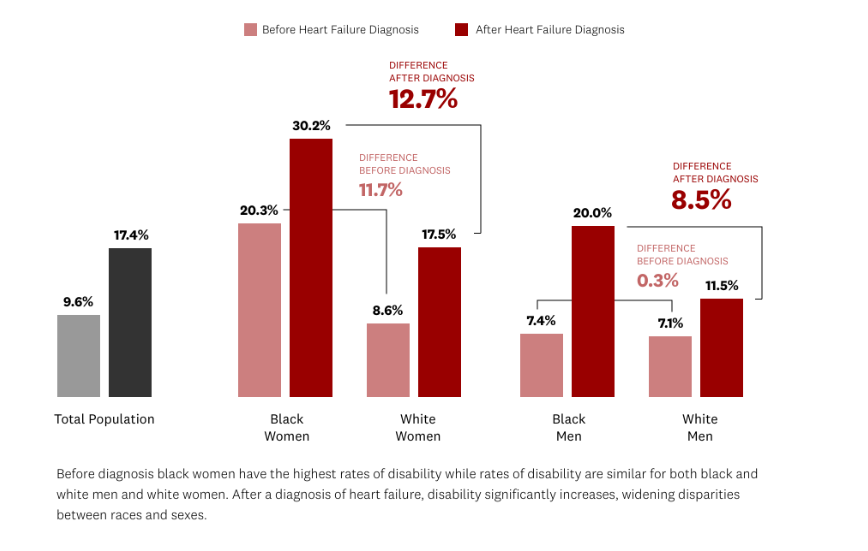
The researchers found that a diagnosis of heart failure was associated with a significant increase in disparities between black and white patients. Before diagnosis, rates of disability were similar for white women, white men, and black men (8.6, 7.4 and 7.1 percent respectively). After diagnosis, black men no longer looked similar to white patients: While disability in white men increased by 4.4 percentage points, disability rates increased by 12.6 percentage points for black men. Though black women started with higher rates of disability than white women, that difference also widened after diagnosis with heart failure.
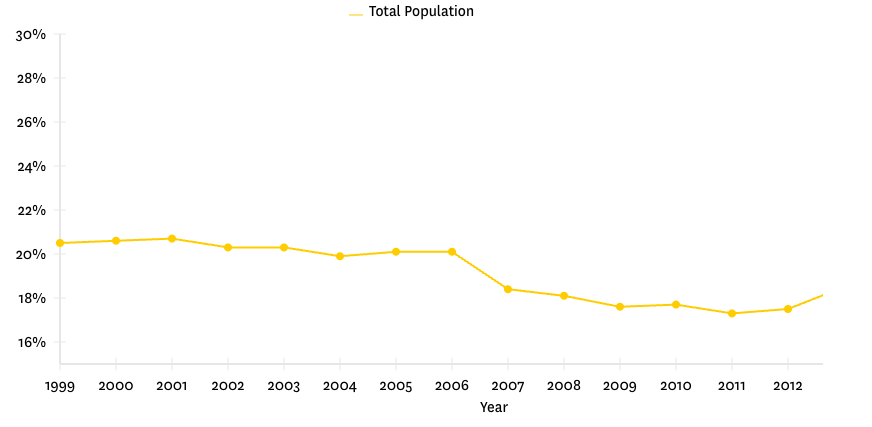
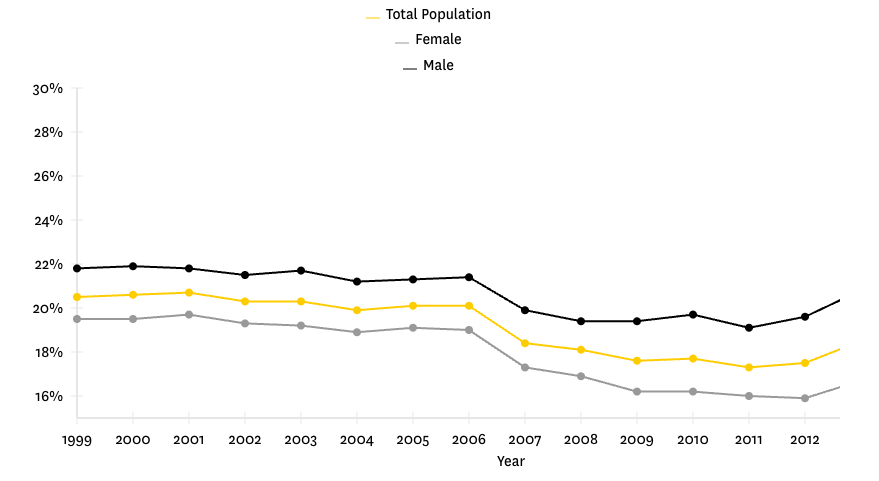
Disability Before and After a Diagnosis of Heart Failure
Total Population:
By Race
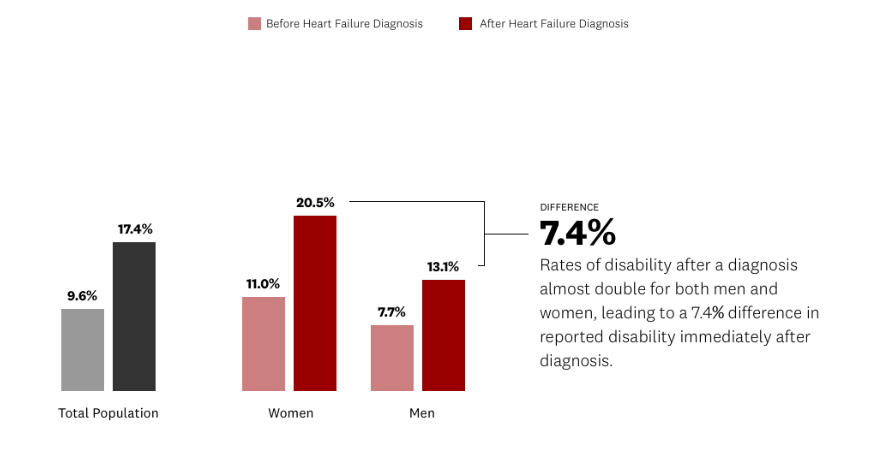
By Gender
By Race & Gender
How Would a Cure for Heart Failure Improve Life Expectancy for These Patients?
Using the Future Elderly Model, the researchers estimated what would happen if a cure for heart failure were discovered and the disease eliminated. They compared the results of this thought experiment to eliminating other conditions like cancer, diabetes, stroke, and high blood pressure.
They found that eliminating heart failure adds almost 2 years of life expectancy, on average, to each patient who would have gotten the disease. This is more than would result from cures for diabetes, stroke, obesity, or high blood pressure. Only cures for cancer and lung disease would generate larger gains in life expectancy among the affected populations.
Average Life-Expectancy Gains from Eliminating Heart Failure (among those affected)
Total Population:

By Race

By Gender
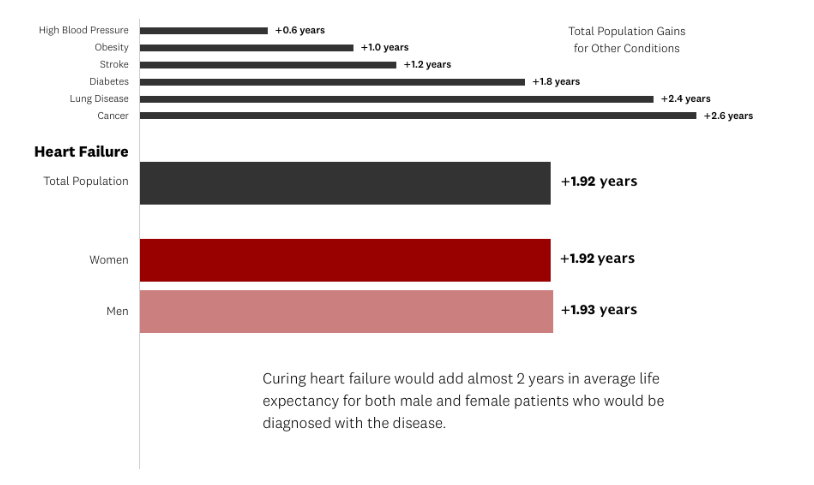
By Race & Gender

All told, the Schaeffer experts estimate the population health benefits of an innovation that eliminates heart failure among individuals 51 to 52 years of age would generate nearly 2.9 million additional life years, which would be worth from $210 to $420 billion.
The size of the patient population and the impact heart failure has on health disparities, better treatment for heart failure is one example of a potential investment that could not only significantly increase quality of life and life expectancy for patients, but also reduce disparities.
This work was based on research published in the Journal of the American College of Cardiology. An issue brief about the study can also be found here.
This research was supported by the National Institute on Aging of the National Institutes of Health under Award Number P30AG043073 and by the Schaeffer Center for Health Policy and Economics at the University of Southern California. Additional support was provided by Novartis, Inc. All the authors have consulted for life sciences companies. Dana Goldman is a co-founder of Precision Health Economics and holds equity in its parent company. Karen Van Nuys has served as a consultant to Precision Health Economics.


