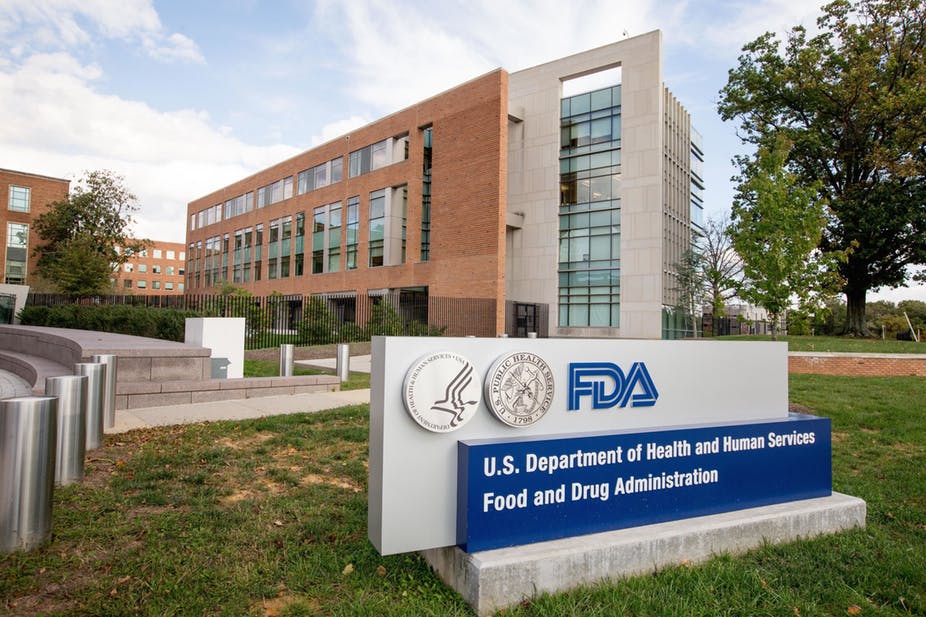
These potential conflicts have received less attention from the FDA’s efforts to curb undue industry influence
The Food and Drug Administration (FDA) often calls on independent expert panels for advice on a range of complex issues, including whether to approve new drugs and devices. These advisory committees, whose nonbinding recommendations are often followed by the FDA, are mostly composed of outside scientists but also usually include patient and consumer representatives.
Over a recent 10-year period, nearly 40% of FDA advisory committee meetings included at least one patient or consumer representative with active ties to an advocacy organization funded by drugmakers, according to a new study from researchers at the USC Schaeffer Center for Health Policy & Economics. For some advisory committees, more than half of their meetings included such a representative.
Further, 11% of meetings involved a patient or consumer representative of an organization that received funds from the drugmaker whose product was being reviewed by the advisory committee. These ties were often not disclosed.
The findings, published in Health Affairs Scholar, point to potential gaps in conflict-of-interest policies governing FDA advisory committees. While the FDA has well-established policies for the panels’ scientific experts, the agency has paid less attention to potential conflicts among patient and consumer representatives.
“The relationships may represent a source of undue industry influence on advisory committees that the public—and in some cases, the FDA itself—may not be aware of,” said lead author Genevieve Kanter, a Schaeffer senior scholar and associate professor at the USC Price School of Public Policy.
“Given how dependent some patient organizations are on industry support, it’s reasonable to question whether these relationships may affect how patient representatives vote,” added Kanter, who studies conflicts of interest at federal agencies. “Closer scrutiny from the FDA is likely warranted.”
FDA may be aware of these relationships under draft guidance issued in 2016 requiring disclosure of financial ties that could create the appearance of a conflict. However, it’s likely that some affiliations have not been disclosed, partly because they’re not emphasized in forms committee members must submit before meetings. Even if the representatives’ organizational ties were disclosed to the FDA, there currently is no mechanism for publicly reporting this information.
The researchers reviewed nearly 240 voting meetings of 12 FDA advisory committees between 2013 and 2022. On average, each meeting included one patient representative and one consumer representative.
Except for the dermatologic and ophthalmic drugs advisory committee, each panel had at least one meeting with a patient representative tied to a pharma-funded advocacy group. The cardiovascular and renal drugs advisory committee had the greatest share of such meetings (52%).
In four advisory committees, more than half of meetings had a consumer representative tied to a pharma-funded advocacy group. These include: committees dealing with nervous system drugs (89%), gastrointestinal drugs (67%), cardiovascular and renal drugs (61%) and arthritis (53%), which was shut down last year.
About the study
The study was co-authored by Toni Mankowitz of the USC Schaeffer Center. The research was supported by Arnold Ventures.